
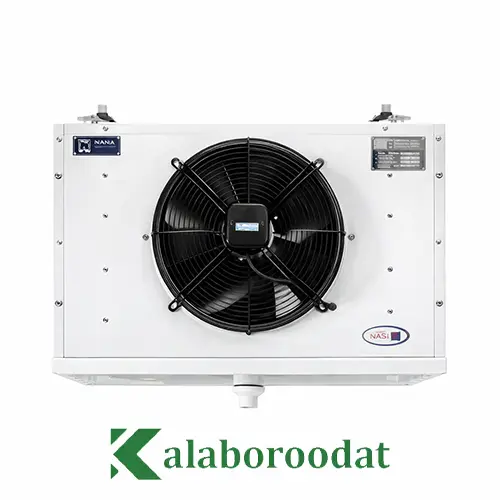

Refrigeration Compressors: The Heart of Cooling Systems
Refrigeration compressors are the essential driving force behind all cooling and refrigeration technologies. Acting as the “heart” of the refrigeration cycle, they compress and circulate refrigerant gases, enabling efficient heat transfer for air conditioners, refrigerators, freezers, cold rooms, and industrial chillers. Without refrigeration compressors, modern cooling and HVAC systems simply cannot function.
How Refrigeration Compressors Work
The primary function of refrigeration compressors is to draw low-pressure refrigerant gas from the evaporator and compress it into a high-pressure, high-temperature gas. This gas then flows to the condenser, where heat is released into the surrounding environment. This continuous cycle of compression, heat exchange, and circulation maintains controlled indoor climates and preserves perishable goods in cold storage systems.
By maintaining refrigerant flow, refrigeration compressors ensure consistent performance, energy efficiency, and system reliability across applications ranging from domestic appliances to industrial facilities.
Types of Refrigeration Compressors
Different applications require different types of refrigeration compressors, each offering unique performance benefits:
-
Reciprocating Compressors
- Operate with pistons and cylinders.
- Common in domestic refrigerators, small commercial coolers, and automotive AC.
- Robust and simple design but relatively noisy.
-
Rotary Compressors
- Use a roller or vane mechanism to compress refrigerant.
- Compact, quiet, and efficient—ideal for residential air conditioners and small heat pumps.
-
Screw Compressors
- Utilize dual helical rotors for continuous compression.
- Preferred in industrial refrigeration and large HVAC projects.
- Durable, energy-efficient, and capable of 24/7 operation.
-
Centrifugal Compressors
- Employ a high-speed impeller to accelerate refrigerant gas.
- Designed for very large cooling capacities, such as commercial buildings, ice rinks, and industrial applications.
- High efficiency but more complex and costly.
Efficiency and Operational Importance
The performance of refrigeration compressors directly impacts the energy consumption of cooling systems. Advances like variable-speed drives and precision rotor designs have improved efficiency, lowering operating costs and reducing environmental impact.
Choosing the right compressor type and size depends on factors such as cooling load, refrigerant choice, ambient temperature, and system design. Proper maintenance—like lubrication, leak detection, and performance monitoring—ensures reliability and extends equipment lifespan.
Environmental and Sustainability Aspects
Modern refrigeration compressors support global sustainability initiatives by adopting eco-friendly refrigerants with low global warming potential (GWP). Transitioning from older refrigerants like R22 to newer alternatives such as R134a, R1234yf, and CO₂ has become a global industry standard.
In addition, manufacturers are focusing on energy-efficient designs that reduce greenhouse gas emissions, helping industries comply with environmental regulations while improving cost-effectiveness.
Conclusion
Refrigeration compressors remain the backbone of every cooling system, ensuring efficiency, reliability, and environmental responsibility. From residential refrigerators to massive industrial chillers, understanding the different types and their applications helps businesses and individuals choose the best solutions.
As technology continues to evolve, refrigeration compressors will drive the next generation of sustainable and intelligent cooling systems worldwide.